The UX Pitfalls of Blockchain
09.08.2021
Introduction
This is the first, introductory article of the eight-part article series we are launching, about the biggest UX problems we see in Blockchain at the moment.
We started neueux with the Screen Gallery to have a quick way to see the current design patterns of popular Blockchain applications at a glance. The screen gallery gives you an overview that lets you see not only the good designs, but also where potential UX challenges may lie.
We are launching this article series to create a deeper awareness of the Blockchain industry’s UX challenges. We believe it is important to facilitate a deeper understanding of the problems before offering resources to solve them; that’s why we are launching this series as the next step for the platform.
Please keep in mind, that this series is aimed at designers new to Blockchain. So for developers already familiar with Blockchain there will be a lot of redundant information. Furthermore, these articles should be understood as opinion pieces and not as objective scientific articles. Nonetheless I invite you to read through the articles if you are interested in furthering your understanding of the UX problems Blockchain products are facing.
This first article will give a brief overview of the problems we want to address in this series of articles.
1. Addresses
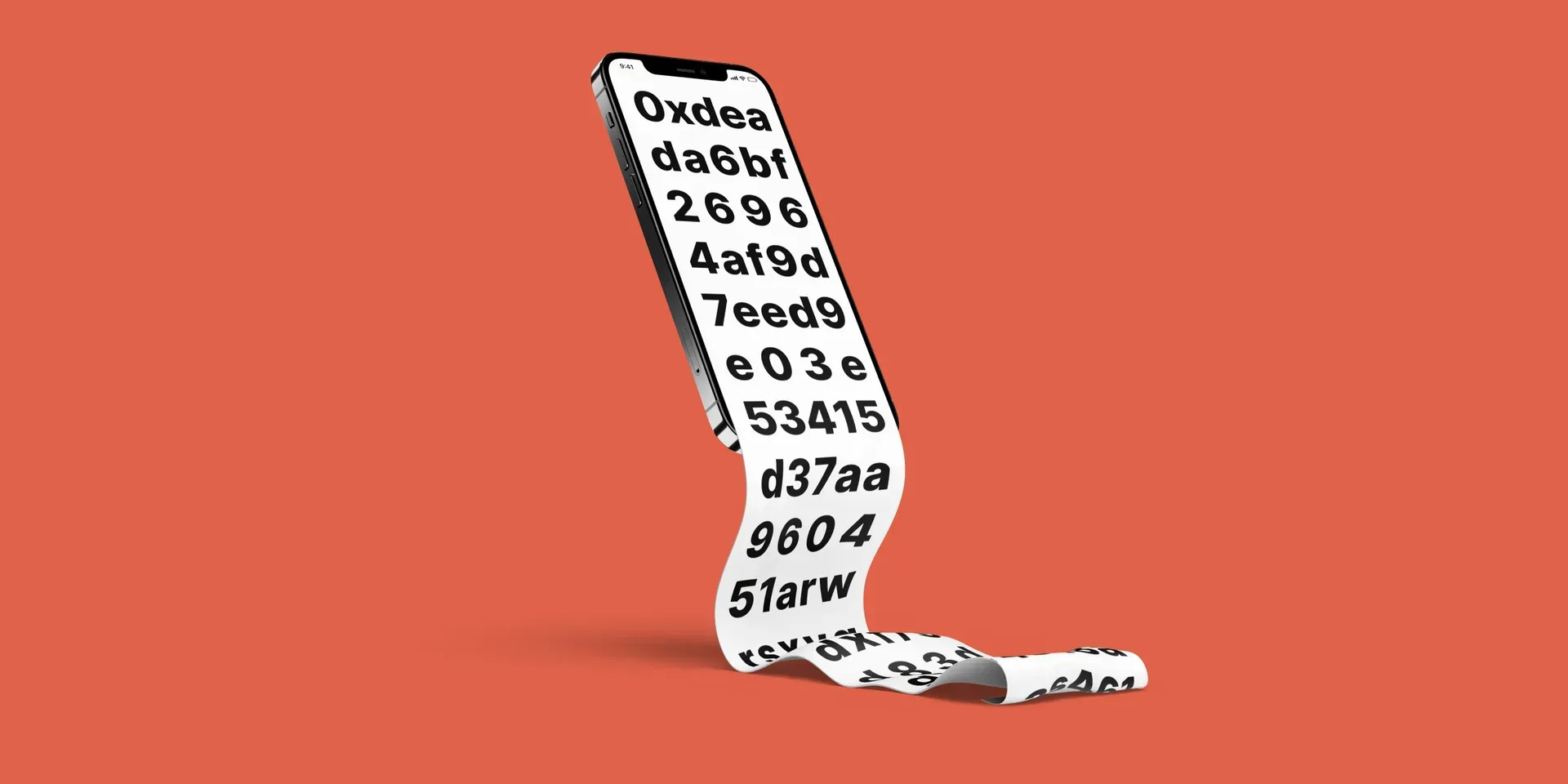
Addresses are one of the centerpieces of everything Blockchain, and they typically look like this: 0x8eD92a86148723A980A408A1De2cFE746b056b24. An address is a user’s unique identifier to which other users can send cryptocurrencies. Looking at the above address, anyone can see that it is not the most optimal for everyday payments as it is not easy for humans to read or copy.
In the second article, we will go in-depth into why we think these addresses are a UX issue and how current industry players are trying to solve this UX issue.
2. Trust
Blockchain has fundamental differences from traditional technologies that affect, among other things, how the app interacts with the user and vice versa. To avoid alienating users, Blockchain applications need to explain why interactions are different from other platforms, and which information users need to pay special attention to.
The fourth article will revolve around the current state of educational content in Blockchain apps. Specifically, it will focus on wallets, as they are the first and primary way of interacting with Blockchain technology for most people. We will then give examples of these “special interactions” that need to be explained to newcomers and how developers could better implement educational content in Blockchain applications.
3. Recovery
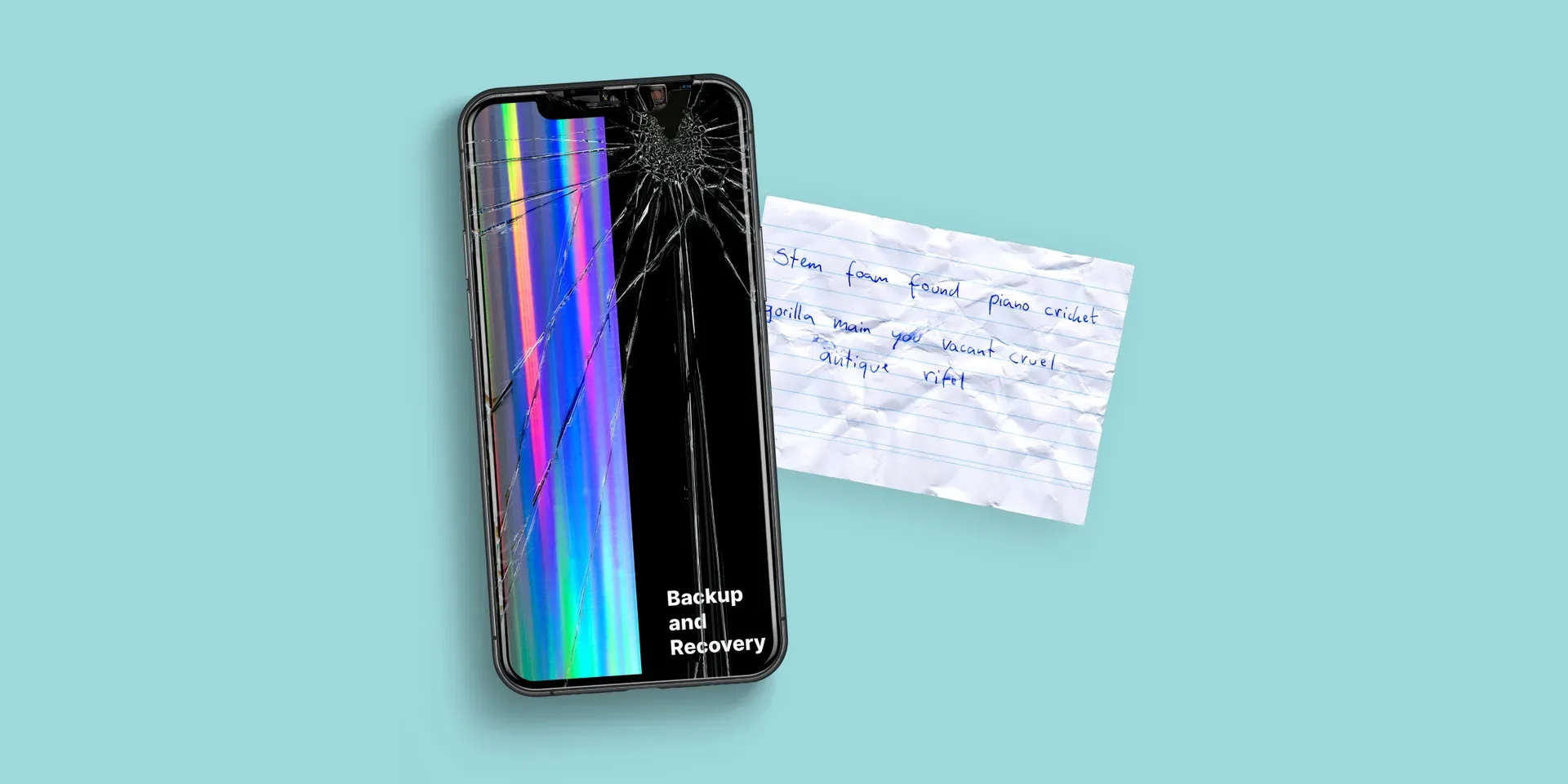
In crypto, funds exist in a decentralized system rather than being held by a company. Consequently, the user has full responsibility for their funds. If a user loses their wallet, they cannot call anyone to help them recover it - the wallet must be backed up in order to be recovered. Backing up the wallet means (in most cases) writing down a secret recovery phrase that can be up to 24 words long. With recovery phrases, users have a high level of responsibility, which is uncommon among other popular apps. The backup process and the responsibility that comes with it are, therefore, a significant inconvenience to users.
In the Backup and Recovery article, we will look at why exactly this is so inconvenient to a user. Additionally, we will look at current implementations of the backup and recovery process, as well as a promising alternative.
4. Accessibility
For many people financial inclusion is an important value of Blockchain. We need to extend this inclusion further and try to make Blockchain applications more accessible to people with physical and mental disabilities by designing them to be barrier-free.
With this article I want to draw attention to a problem that is currently hardly discussed in Blockchain, namely the accessibility of Blockchain applications.
5. Privacy

As seductive as a Blockchain’s other advantages are, neither companies nor individuals are particularly keen on publishing all of their information onto a public database that can be arbitrarily read without any restrictions by one’s own government, foreign governments, family members, coworkers and business competitors. - Vitalik Buterin, 2016
In this article, we will discuss how storing all transactional data publicly might lead to UX issues for some users. Additionally, we will take a look at some privacy-preserving Blockchain solutions out there.
6. Jargon
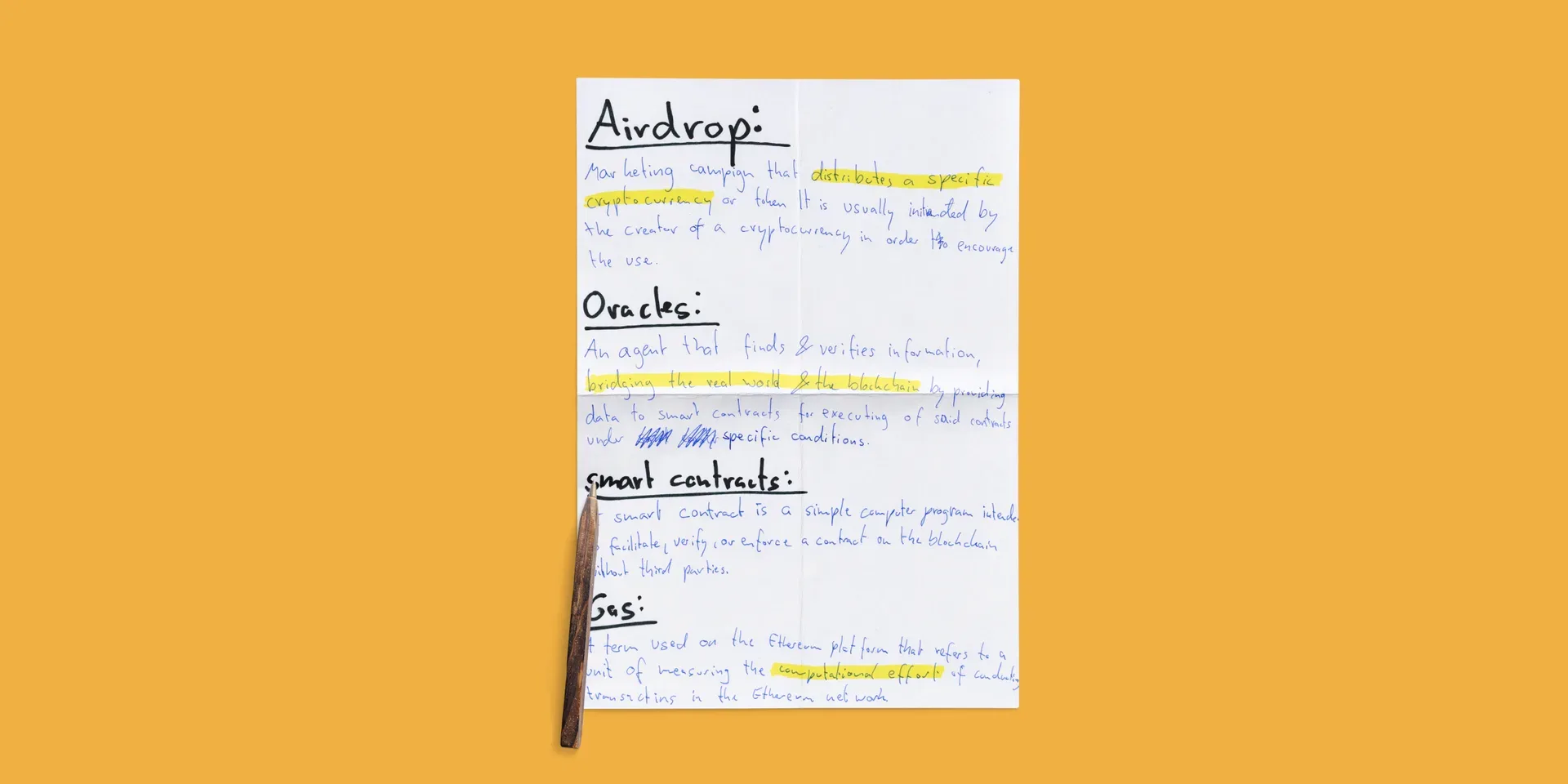
Jargon is the specific terminology associated with a particular field or area of activity. It is well documented that jargon can have a negative impact on communication between professionals and laypeople. When niche words and phrases are used in applications that are intended for first time users, these unfamiliar words become meaningless jargon that provides no value. It clouds and complicates meaning, which is irritating and alienating to users, with potentially harmful consequences to all parties.
We will explain why the use of jargon is a UX issue, how Blockchain jargon is used in different applications, and how common jargon could be phrased differently.
7. Your First Crypto

On-ramp and off-ramp services are a way to buy and sell cryptocurrencies with fiat money quickly and easily. They provide an essential service because they significantly lower the barrier to entry for inexperienced users. Without these services, inexperienced users would be overwhelmed with the interfaces and interactions required to buy cryptocurrencies on an exchange.
We will look at popular On- and Off-Ramp services, their processes, and how they implement into other products like wallets.